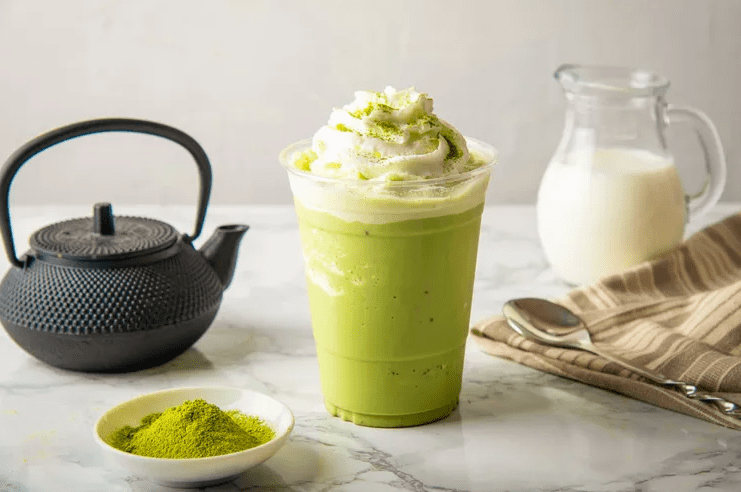
An iced matcha latte is a cool, creamy matcha drink made by blending finely ground green tea powder with water, then topping it with milk and ice. It tastes bright and slightly grassy, with gentle sweetness and a smooth texture when prepared correctly. In this guide, I will walk you through how to make a cafe style iced matcha latte at home, how to choose good matcha, and how to adjust the drink so it fits your taste and your routine.
Time and Serving
Prep time: about 5 to 10 minutes
Active mixing time: about 3 to 5 minutes
Total time: about 5 to 10 minutes
Yield: one tall glass, about 12 to 16 ounces
These times match what many tea and coffee shops use for iced matcha drinks once ingredients are ready to go.
Insight of the Iced Matcha Latte
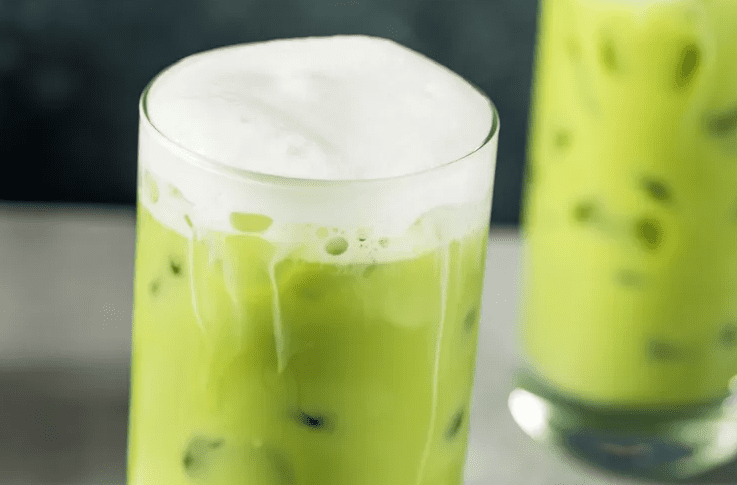
At its core, an iced matcha latte is a chilled matcha drink made with three main parts:
- Matcha powder mixed with a small amount of water
- Milk or a milk style alternative
- Ice, plus sweetener if you want it
Matcha itself is a powdered Japanese green tea. The tea leaves are shade grown, carefully processed, then stone ground into a very fine powder. When you drink matcha you consume the entire leaf in suspension rather than an infusion, so the flavor, color, and nutrients are more concentrated than in regular brewed green tea.
Compared to a typical iced coffee, many people enjoy iced matcha lattes for a smoother, more gradual energy lift. That is because matcha contains caffeine along with an amino acid called L theanine, which several tea and nutrition sources connect to a calm but alert feeling. A typical serving with about one to two grams of matcha often lands in the range of forty to seventy milligrams of caffeine, similar to a light coffee but usually with fewer jitters for many drinkers.
This drink is especially appealing if you:
- Prefer tea flavor to coffee but still want a meaningful boost
- Want a refreshing option on warm days
- Like control over sweetness, milk choice, and strength of flavor
- Care about using higher quality matcha than what some chains use
Two things matter most for a smooth, non gritty iced matcha latte:
- The quality of the matcha
- Proper mixing, which includes sifting and fully dissolving the powder in water before it touches ice and milk
Ingredients

The amounts below make one generous iced matcha latte in a tall glass. You can scale up once you find your favorite ratio.
Base iced matcha latte
- One to one and a half teaspoons culinary or latte grade matcha powder
- For a stronger drink, use up to two teaspoons
- Two to three tablespoons cool or room temperature water
- Three quarters to one cup milk of your choice
- Dairy milk such as whole, two percent, or skim
- Or non dairy options such as oat, almond, soy, or coconut beverage
- One to three teaspoons liquid sweetener, to taste
- Simple syrup, honey, maple syrup, agave, vanilla syrup, or flavored coffee syrup
- Three quarters to one cup ice cubes
Optional additions
- One quarter teaspoon vanilla extract for a vanilla iced matcha latte
- A small pinch of fine sea salt to round out sweetness
- Whipped cream on top for a dessert style matcha drink
- A dusting of extra matcha over the foam
For most people, one teaspoon of matcha with three quarters cup of milk gives a balanced cafe style drink. Many tea guides note that this one teaspoon serving gives a caffeine range close to that of a small coffee, which is enough for focus without feeling too wired for most healthy adults.
You can easily adjust the ratio. More matcha per ounce of liquid gives deeper color, more umami, and more bitterness, especially if the matcha is not very high grade. Less matcha yields a mild, creamy drink that tastes closer to a lightly flavored milk tea.
Required Tools for Making the Recipe
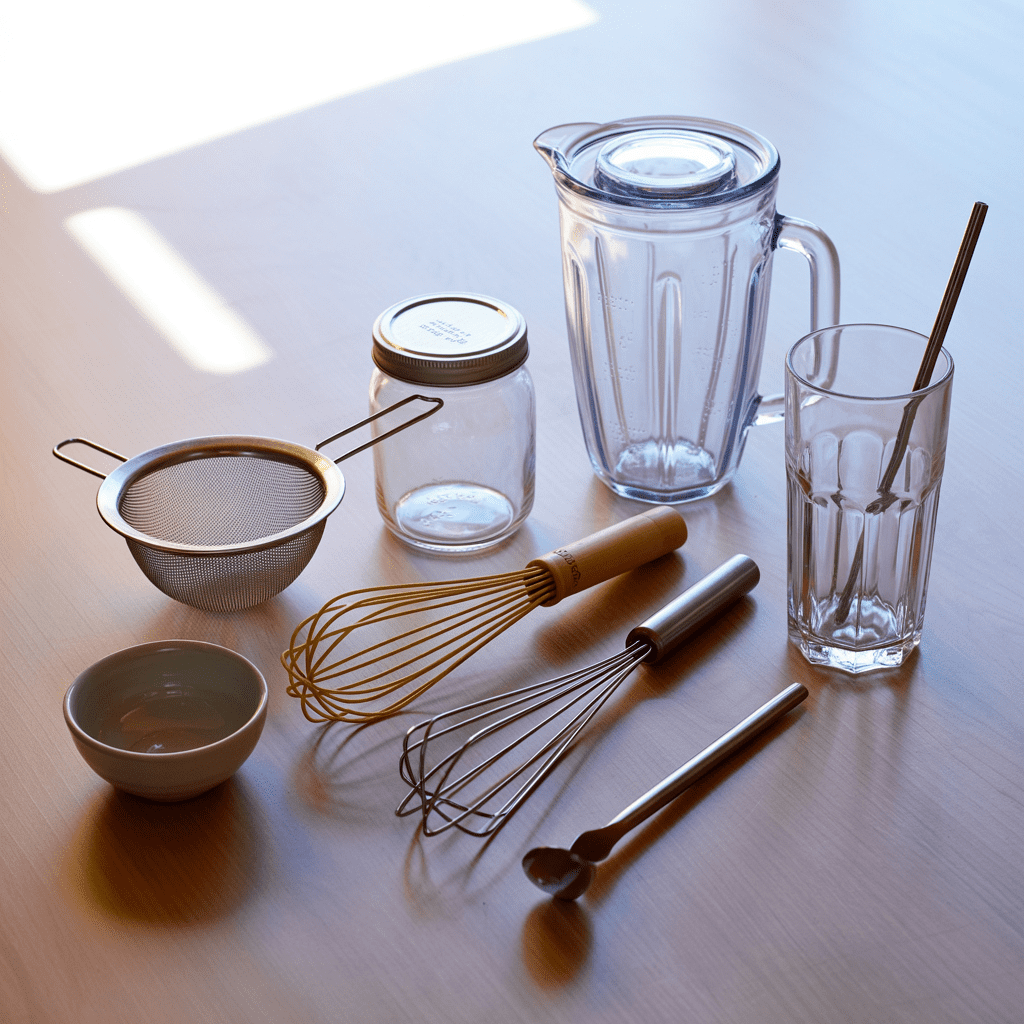
You do not need a full tea ceremony setup to make a good iced matcha latte. A few simple tools make a big difference.
- Fine mesh sieve or small tea strainer
This is essential for sifting the matcha powder. Tea professionals note that matcha naturally clumps due to static, and sifting breaks those clumps so the powder disperses smoothly in water. - Small bowl, glass, or jar
You will combine the matcha and water here. A small wide bowl is ideal for whisking, while a jar with a tight lid works well for shaking. - Whisk, jar, or blender
- Bamboo whisk for a classic, very fine foam
- Small kitchen whisk if you do not own a bamboo whisk
- Lidded jar for the shake method, which works especially well for iced lattes
- Blender for a very frothy matcha drink
- Serving glass
A tall glass that can comfortably hold the ice, milk, and matcha base. - Spoon or straw
For a final stir and for sipping.
If you own only a jar with a lid and a small sieve, you can still make an excellent iced matcha latte. The whisk and blender simply offer more options for texture and foam.
Method: Step by Step Preparation Guide
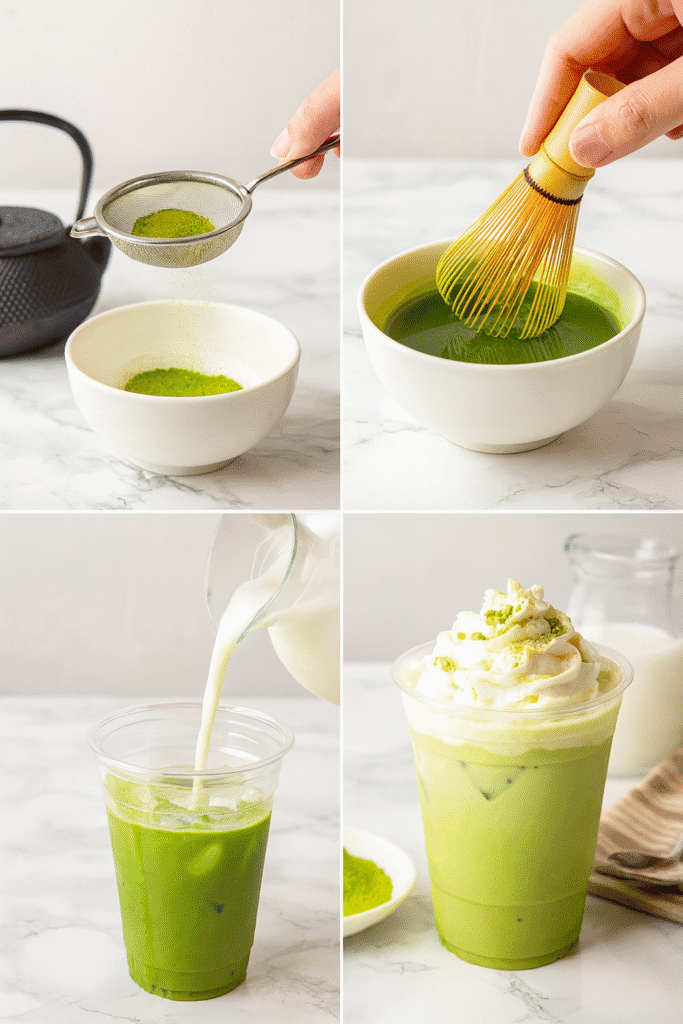
Step by step instructions
- Measure and sift the matcha
Place the sieve over a small bowl or jar. Add one to one and a half teaspoons of matcha to the sieve. Use the back of a spoon to gently press the powder through until only fine grains remain below. When I first started making iced matcha without this step, I often had stubborn clumps that refused to dissolve. Sifting removes those and gives a smoother, silkier drink, which is exactly what many tea companies advise for iced preparations. - Add cool water
Pour in two to three tablespoons of cool or room temperature water. Matcha experts frequently recommend avoiding boiling water for matcha because it can increase bitterness and mute the fresh, sweet notes. For an iced latte, starting with cool water also helps you keep the drink cold and reduces how fast the ice melts. - Mix until very smooth
Choose your method here.- Whisk method
Use a bamboo whisk or small kitchen whisk and move it quickly in a zigzag pattern through the matcha and water. Continue for about twenty to thirty seconds, until the mixture looks uniform and slightly frothy on top. You should not see any darker streaks or clumps. - Shake method
If you are using a small jar, secure the lid tightly and shake the matcha and water together. I usually count to twenty while shaking firmly. The mixture should look opaque and evenly green when you peek inside. - Blender method
Combine matcha and water in a personal blender cup and blend briefly until smooth. This method gives a very uniform suspension and generous foam.
- Whisk method
- Taste the matcha base
Dip a clean spoon into the matcha mixture and taste a small amount. It should feel smooth, not sandy. The flavor will be stronger now than in the final drink, but this step lets you gauge bitterness. If it tastes harsh or dull, check whether your matcha might be lower quality, which often shows as a more yellow or olive color and a more aggressive bitterness. - Sweeten the matcha base
Add one to three teaspoons of your chosen sweetener directly to the matcha base and whisk or shake again until fully dissolved. Liquid sweeteners blend more easily than dry sugar in a cold drink. Starting with about two teaspoons gives a balanced cafe style sweetness for many people, similar to popular chain drinks, which often land around one hundred twenty to one hundred ninety calories for a tall size due to sugar. - Prepare the serving glass
Fill your tall glass about two thirds full with ice cubes. Pour in three quarters to one cup of milk over the ice. Leave enough room for the matcha base so the glass will not overflow. - Combine matcha with milk and ice
Pour the sweetened matcha mixture slowly over the milk and ice. You can pour down the side of the glass for a layered effect or directly into the middle for a more even color. Give everything a gentle stir with a spoon or straw until the drink turns a uniform soft green. - Taste and adjust
Take your first sip and adjust. If it tastes too mild, you can whisk a little extra matcha with a splash of water in your original bowl and stir it in. If it tastes too strong or bitter, top off with a bit more milk or an extra teaspoon of sweetener. - Serve right away
Iced matcha lattes are best enjoyed soon after mixing so the ice does not dilute the flavor too much. If you need to step away for a short moment, give the drink a quick stir when you return.
Variations you can try
Sweeter or less sweet
- For a lighter daily drink, start with one teaspoon sweetener and increase only if needed.
- For a dessert style iced matcha, you can use flavored syrups such as vanilla or caramel and top with whipped cream.
Dairy free and vegan
- Oat milk gives a creamy cafe style texture and tends to highlight the naturally sweet notes in matcha.
- Almond milk makes a lighter drink with fewer calories and a more nutty flavor.
- Soy milk offers a balance of creaminess and protein.
- Use maple syrup or agave for a vegan sweetener.
Stronger matcha flavor
- Use up to two teaspoons of matcha for a more intense drink, keeping in mind that this can raise caffeine toward the higher end of the forty to one hundred seventy range per serving.
- To soften bitterness at higher doses, pair the matcha with a creamier milk or add a tiny pinch of salt along with your sweetener.
Vanilla or flavored iced matcha latte
- Stir in one quarter teaspoon vanilla extract with the sweetener.
- Try a spoonful of coconut cream and a bit of vanilla syrup for a richer treat.
- A small dash of ground cinnamon can add warmth without overpowering the tea.
Key Advantages of Making Iced Matcha Latte
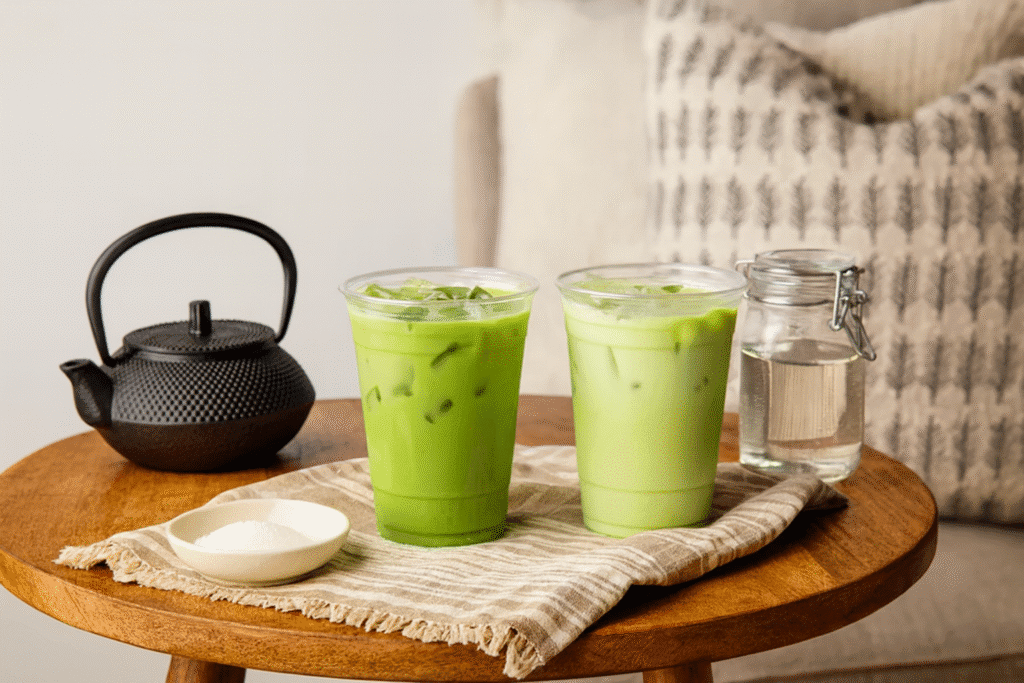
- Full control over ingredients
At home you control the grade of matcha, type of milk, and exact amount of sweetener. Many chain versions use pre mixed matcha with sugar already added. Making your own lets you choose pure matcha and adjust sweetness to your needs. - Choice of high quality matcha
Specialty tea companies suggest looking for matcha with a bright, vivid green color, a fine texture, and a fresh, sweet aroma. When you buy your own, you can pick a brand that matches those markers, rather than rely on whatever blend a cafe uses. - Flexible caffeine level
Since caffeine in matcha scales with the amount of powder, you can use a smaller serving for a gentle lift or a larger one for more focus, while staying aware of general health guidelines that suggest no more than about four hundred milligrams of caffeine per day for most adults. - Cost savings over time
A tin of good matcha can look expensive at first glance, but each teaspoon only weighs about two to three grams. Once you divide the cost by the number of drinks, homemade iced matcha lattes usually undercut coffee shop prices by a wide margin. - Custom texture and flavor
By changing whisking and milk choices, you can create anything from a light, refreshing drink to a very rich, foamy latte. Blending gives extra froth, while shaking provides tiny bubbles and an almost creamy body even with lighter milks.
Mistakes to Avoid
- Skipping the sifting step
Clumpy matcha is the most common complaint with iced versions. Since the powder is fine and charged with static, it easily sticks to itself. Tea professionals emphasize sifting for a reason. If you pour matcha straight from the tin into cold water, you will often see dark specks that refuse to break up, no matter how much you stir. - Using water that is too hot
Very hot or boiling water can make matcha taste harsh and bitter. Several Japanese tea sources recommend water closer to about sixty to eighty degrees Celsius, which is well below boiling, for traditional matcha preparations. For iced lattes, starting with cool or room temperature water keeps the drink cold and still lets the powder disperse, as long as you whisk or shake long enough. - Adding ice before dissolving the matcha
If you put matcha powder straight into a glass of ice and milk, the powder will float and clump. Always mix it with water first until it is completely smooth, then add it to the cold ingredients. - Using very low quality matcha
Dull, brownish, or yellow green matcha that smells flat or dusty often tastes harsh and astringent. If your iced matcha latte never tastes quite right, even when you follow all the steps, it might be worth upgrading to a matcha that is specifically recommended for drinking, not only for baking. - Incorrect matcha to milk ratio
Too much milk and too little matcha creates a drink that tastes vaguely sweet and creamy but not very tea like. Too much matcha with very little milk can taste thick and almost chalky. Starting with one teaspoon matcha and three quarters cup milk is a reliable base. From there, move in small changes, such as an extra half teaspoon of matcha or a splash more milk, and retaste until you hit your personal sweet spot.
Expert Tips and Real Life Examples
Over time, making iced matcha lattes at home starts to feel as simple as brewing coffee. Here are some practical tips that mirror what tea professionals share and what actually works in a home kitchen.
- How long to whisk or shake
Many tea educators describe whisking matcha until a fine foam forms on top of the liquid, often in about twenty to thirty seconds with a bamboo whisk. In my kitchen, the shake method in a small jar takes about the same amount of time. If you stop earlier, you often see thin darker streaks; when it is ready, the mixture looks like opaque green paint with a soft frothy layer. - Spotting good matcha at the store
Reputable tea companies advise you to look for several clues at once. The powder should be bright, vivid green, not olive or khaki. The texture feels silky and very fine, almost like talc. The aroma is fresh and grassy with a hint of sweetness, not musty or stale. If the ingredient list includes sugar, milk powder, or flavorings, you are probably looking at a pre mixed drink base, not pure matcha. - Batch making a matcha base On busy mornings, I sometimes whisk a slightly stronger matcha base in advance to use for one or two days. Here is a simple approach.
- Whisk or blend four teaspoons of matcha with half a cup of cool water until very smooth.
- Sweeten to taste for the entire batch.
- Store the base in a covered jar in the refrigerator for up to one or two days, according to general food safety advice for refrigerated tea based drinks.
- When you want a latte, shake the jar to resuspend the matcha, pour some over fresh ice and milk, and adjust.
- Fitting matcha into your routine Health and nutrition sources sometimes mention that matcha can slightly reduce iron absorption if taken right alongside iron rich meals, due to its tannin content. Health A simple practical habit is to drink your iced matcha latte between meals, rather than right with an iron supplement or a steak dinner. That way you still enjoy the drink while staying mindful of overall nutrition.
- Getting closer to your favorite cafe version If you are trying to copy a specific coffee shop iced matcha latte, notice three things during your next visit.
- How sweet does the drink taste compared with milk alone
- How strong is the tea flavor
- How creamy is the body
Nutrition Facts (Per Serving)
The exact nutrition profile of an iced matcha latte depends heavily on milk choice and sweetener. To give a realistic picture, the estimate below uses about one teaspoon of matcha, three quarters cup of two percent dairy milk, ice, and about two teaspoons of simple syrup.
Based on nutrition data from coffee chains and tea nutrition breakdowns, one serving like this often lands near the following values.
Approximate nutrition per serving
- Calories: about one hundred thirty to one hundred sixty
- Protein: about six grams
- Total fat: about four grams
- Carbohydrates: about twenty to twenty four grams
- From natural milk sugars and added sweetener
- Caffeine: about forty to seventy milligrams from one to two grams matcha
If you use almond milk and less syrup, calories can drop closer to eighty to one hundred calories per serving. If you choose whole milk and a generous amount of flavored syrup, the number can climb higher. Matcha itself contributes only a small number of calories, since most of the energy comes from milk and sugar.
Treat these figures as estimates, not medical nutrition advice. For precise tracking, it is best to plug your exact ingredients and amounts into a trusted nutrition calculator.
Frequently Asked Questions
Q1: Can I make an iced matcha latte without a bamboo whisk
Yes. A bamboo whisk is traditional, but a small kitchen whisk, a tightly sealed jar, or a personal blender can all mix matcha and water effectively. The important part is that you sift the powder first and then mix long enough for every speck to dissolve so the drink looks completely uniform.
Q2: What type of matcha is best for iced lattes
Many tea companies recommend matcha that is labeled for drinking rather than only for baking. Look for bright green color, a fresh, sweet aroma, and a very fine texture. Ceremonial style matcha often tastes smoother and more complex but is more expensive. Latte or culinary grades that are still bright and pure can work very well in milk based drinks at a more accessible price.
Q3: How can I reduce bitterness in my iced matcha
First, check water temperature and matcha quality. Very hot water and low grade matcha are the main causes of bitterness. Use cool or moderately warm water, sift the powder, and whisk thoroughly. Then adjust the drink with a creamier milk, a small pinch of salt, or a touch more sweetener. Sometimes simply reducing the amount of matcha by a half teaspoon makes the flavor feel more balanced.
Q4: Can I make a large batch ahead of time
You can prepare a concentrated matcha base with water and sweetener for one or two days at a time and keep it covered in the refrigerator. Before serving, shake or stir very well, since matcha settles. For food safety and quality, it is best not to store milk and ice in the same container with the matcha base. Mix with fresh milk and ice just before you plan to drink it.
Q5: Does an iced matcha latte have more or less caffeine than coffee
A typical iced matcha latte made with about one to two grams of matcha often contains around forty to seventy milligrams of caffeine per serving, which several tea and nutrition sources note is similar to or slightly less than many small coffees, but usually less than a strong brewed coffee. Verywell Health The exact number depends on how much matcha powder you use and the grade of that matcha. If you are sensitive to caffeine, start with a smaller amount and see how you feel.
Conclusion
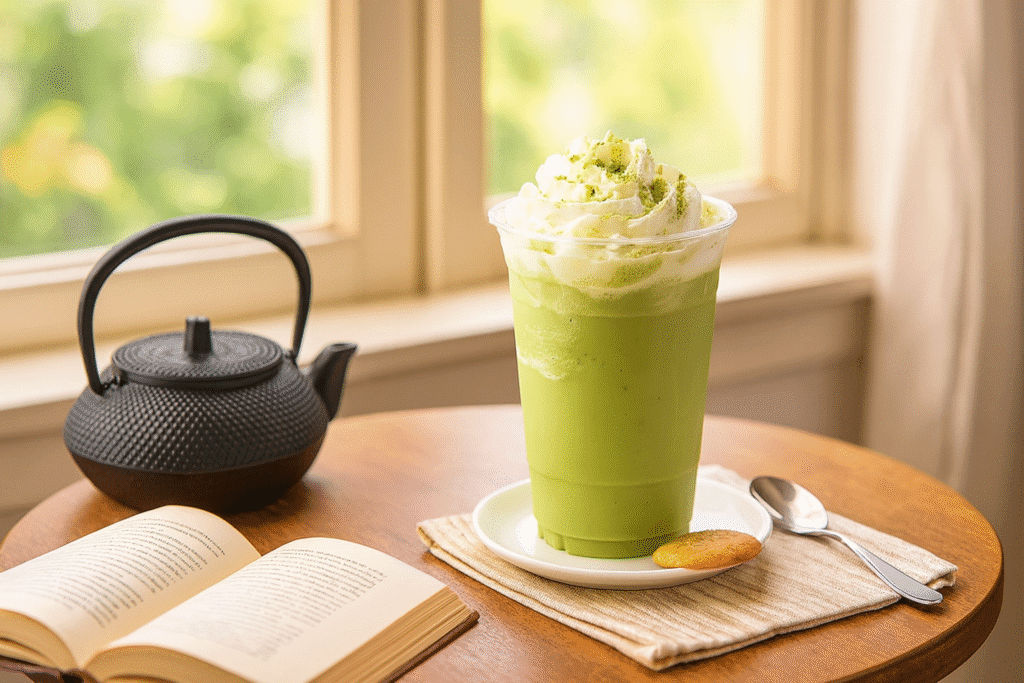
An iced matcha latte at home becomes very simple once you understand a few key ideas. Choose a good matcha with bright color and a fresh aroma, sift it to remove clumps, and mix it with cool water until it looks completely smooth. Pour that base over ice and your favorite milk, taste, and adjust sweetness and strength until it matches what you love from a cafe.
With a small sieve, a whisk or jar, and a little practice, you can build a matcha routine that feels calming and enjoyable every day. Use this recipe as your starting point, then keep experimenting with milk options, syrups, and ratios until your iced matcha latte feels like it truly belongs in your own kitchen.
Iced Matcha Latte Recipe: Cafe Style At Home